Preserving Your Family History: A Guide to Starting Your Own Archive


Understanding the Importance of Family Archives
Preserving your family history is not just about keeping old photographs and documents; it’s about connecting with your roots and ensuring that future generations can learn from the past. A family archive offers a tangible connection to your ancestors, allowing you to explore your heritage and identity.
Creating a personal archive can seem overwhelming at first, but with the right approach, it becomes a rewarding journey. Whether you’re looking to preserve letters, photographs, or other memorabilia, starting this project is a meaningful step toward safeguarding your family legacy.

Gathering and Sorting Your Materials
The first step in creating a family archive is gathering all available materials. This includes everything from photographs and letters to diaries and official documents. Start by reaching out to relatives who might have items to contribute. The more diverse your collection, the richer your archive will be.
Once you have gathered your materials, sorting them is essential. Organize by categories such as type, date, or family branch. This will not only make it easier to find specific items later but also help you identify any gaps in your collection that you might want to fill.
Digitizing Your Collection
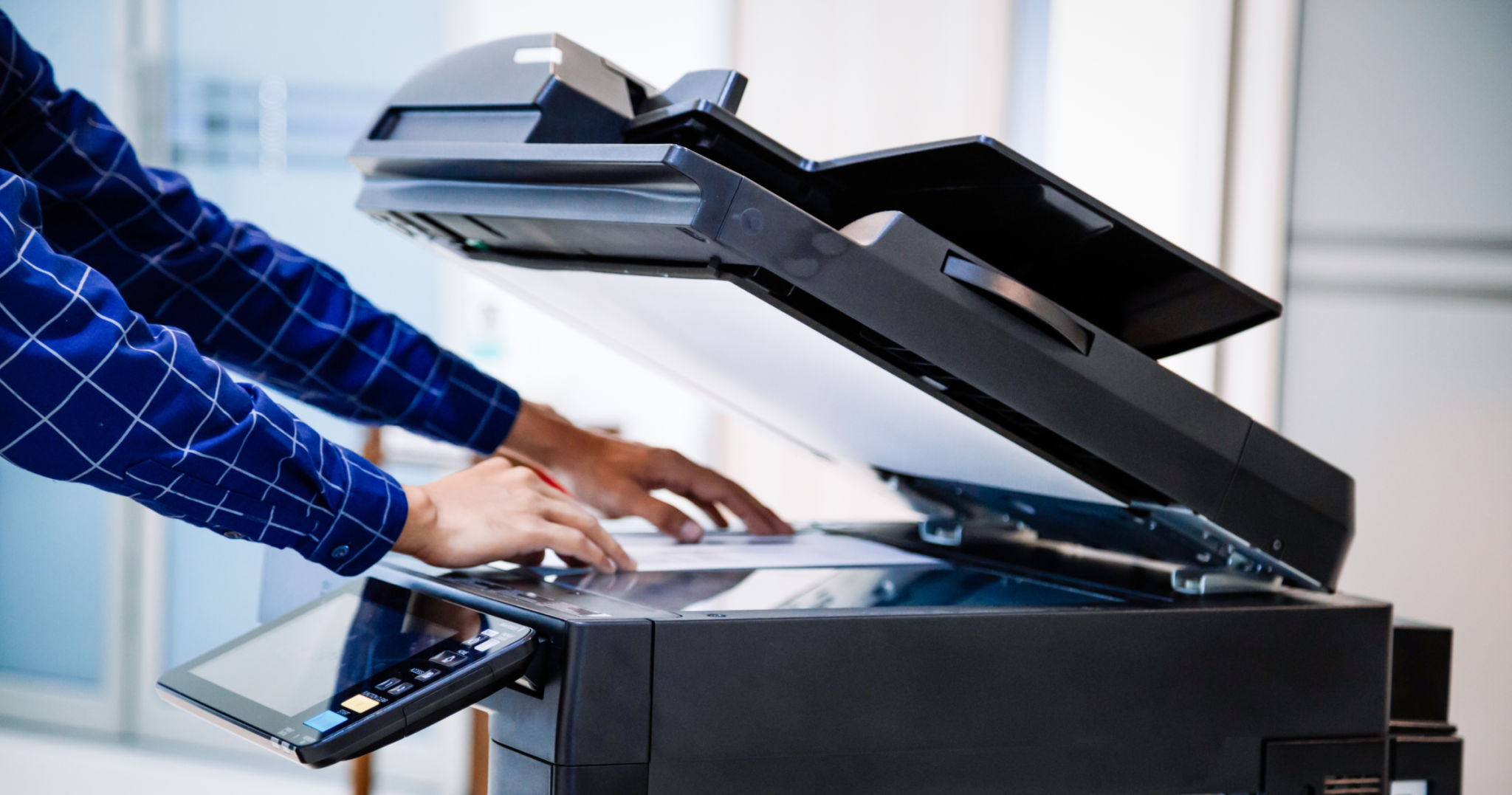
Digitizing your collection is a crucial step in preserving your family history. By scanning photographs and documents, you create digital copies that are less vulnerable to physical deterioration. Ensure you use a high-quality scanner to capture as much detail as possible.
Store these digital files in multiple locations, such as external hard drives and cloud storage, to protect them from loss or damage. Regularly back up your data to ensure its longevity.
Organizing and Cataloguing
After digitizing, it’s time to organize and catalogue your collection. Create a system that makes it easy to find and reference specific items. This might involve creating a digital database or using software designed for archiving.
Include detailed descriptions for each item, noting who is in a photograph, the date it was taken, and any relevant context. This information is invaluable for anyone exploring the archive in the future.
Preserving Physical Items
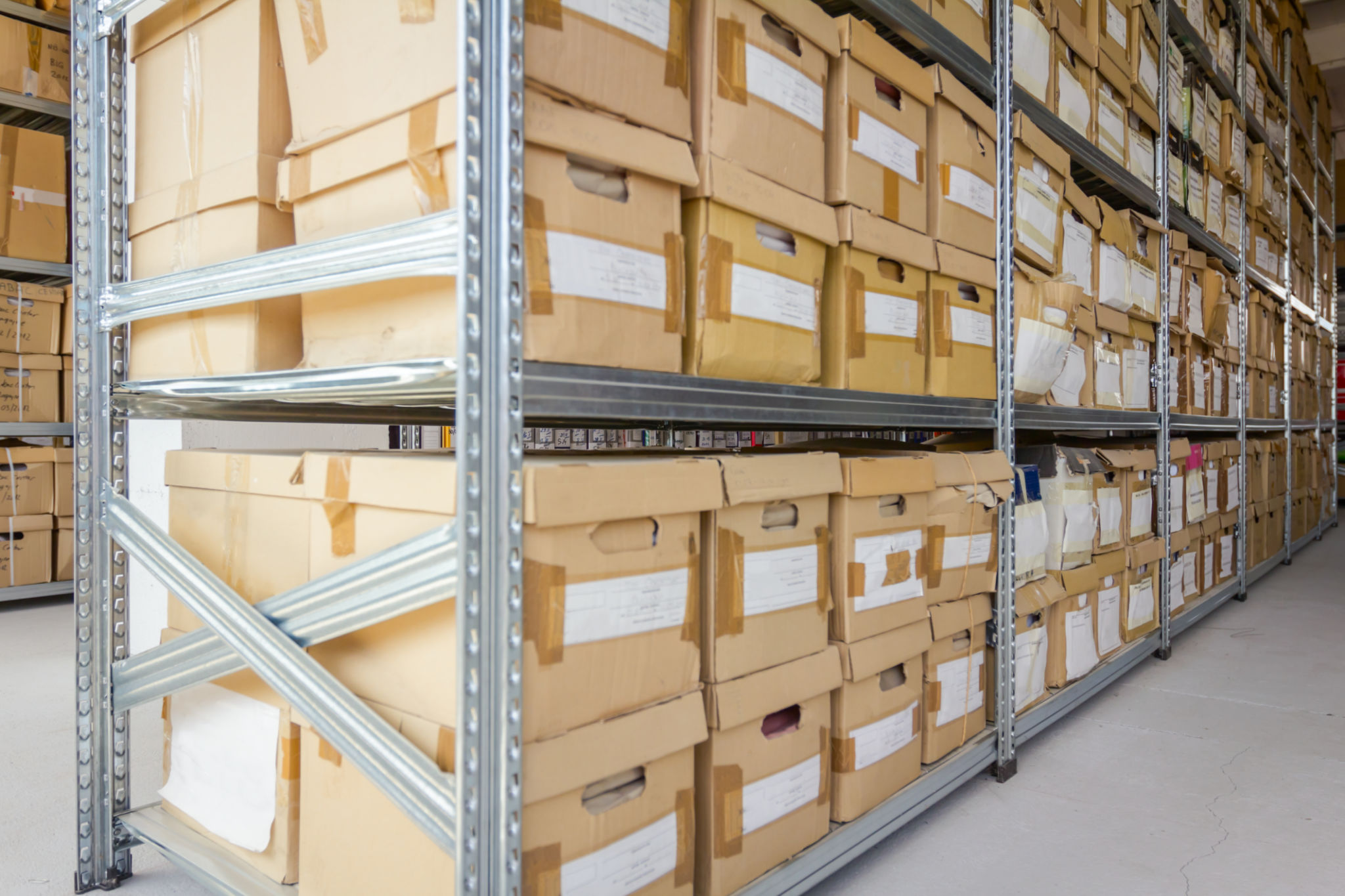
While digitization is vital, preserving the physical items is equally important. Store photographs and documents in archival-quality boxes and sleeves to protect them from light, humidity, and dust. Keep these storage boxes in a cool, dry place to prevent damage.
Engaging Your Family
Involving your family in the archiving process can enrich the experience. Share your findings with relatives and invite them to contribute their own materials and stories. This collaborative approach not only enhances your collection but also strengthens family bonds.
Consider hosting family gatherings where you can present parts of your archive. These events are excellent opportunities to share stories, fill in gaps, and even discover unknown connections.
Sharing Your Archive
Once your archive is organized and complete, consider sharing it with a wider audience. Create a family history blog or website where members can access and contribute to the collection. This online presence ensures that your family history is accessible to future generations.
Preserving your family history is a gift to both the past and the future. By taking the time to create a well-organized archive, you ensure that the stories and memories of your ancestors are cherished and remembered.